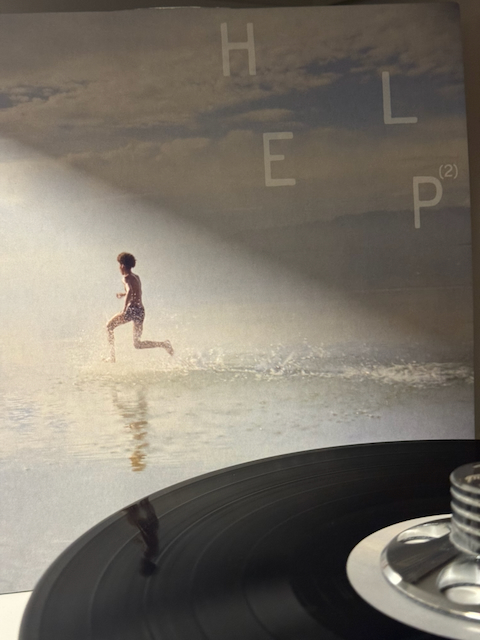

War Child (V.A.) – HELP(2)
Thirty years after the original, War Child Records’ second charity compilation arrives with a broader cast, a new tracklist, and, frankly, no excuse not to listen.
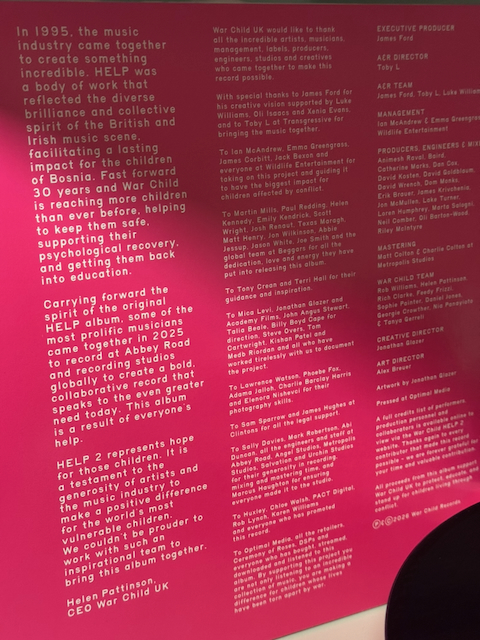
The first HELP album was recorded on September 4, 1995, mixed the following day, and on shelves four days later: a snapshot of British music at its most alive, assembled in a single day. Radiohead previewed what would become OK Computer. Pulp were at their peak. Oasis turned up, Kate Moss and Johnny Depp in tow, to cover “Fade Away.” The context was the Bosnian War; the result, critics said, was the best charity album ever made. HELP(2) doesn’t try to replicate that logic. Recorded over a week in November 2025 at Abbey Road Studios, produced by James Ford (Arctic Monkeys, Florence + the Machine, Depeche Mode), and directed on film by Jonathan Glazer, who handed cameras to children during the sessions. It’s a more considered exercise, wider in scope, and considerably more international. Twenty-three tracks. All profits go toward War Child UK, whose work covering emergency relief, education, and psychosocial care for children in conflict zones has only grown more urgent: one in five children worldwide now lives in a war zone.
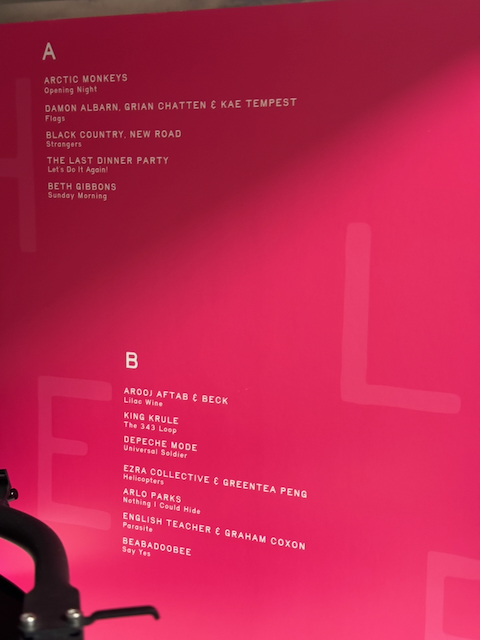
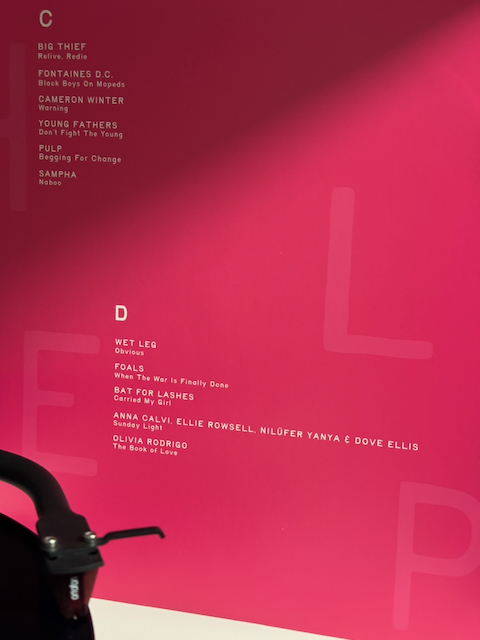
The tracklist opens with the Arctic Monkeys’ first release in four years, “Opening Night”, and it sets the tone almost immediately: loungey, unhurried, closer in feel to The Car than to AM, though with enough energy to signal that Turner and company haven’t settled into self-parody. From there the album rarely raises its voice above a controlled intensity. “Flags”, The second track, is the centrepiece: Damon Albarn convenes Grian Chatten and Kae Tempest around a gospel framework bolstered by a children’s choir and a guest list that includes Johnny Marr and Adrian Utley of Portishead. This builds into a song that feels genuinely collaborative rather than pieced together. Beth Gibbons offers a quietly devastating reading of the Velvet Underground’s “Sunday Morning”. Depeche Mode take Buffy Sainte-Marie’s “Universal Soldier” and strip it down to clanging industrial edges. Fontaines DC do Sinéad O’Connor’s “Black Boys on Mopeds” with restraint and real weight. Arooj Aftab and Beck turn Jeff Buckley’s “Lilac Wine” into a duet that floats without trying. Olivia Rodrigo closes the album on “The Book of Love”, navigating the distance between The Magnetic Fields’ spare original and Peter Gabriel’s orchestral version and finding her own quieter register.
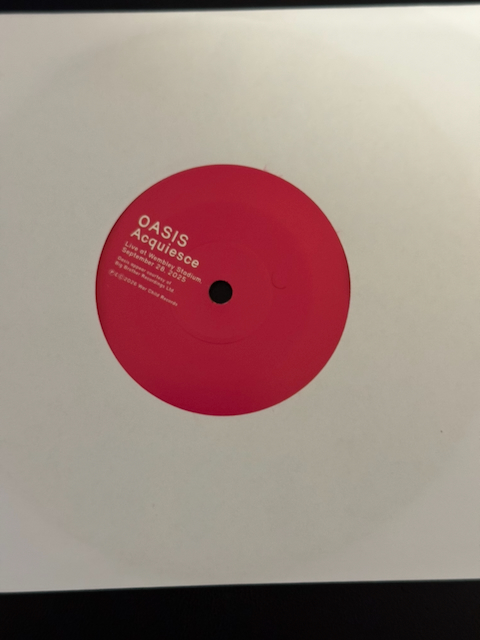
Not every track reaches the same level. With 23 entries across a broad range of artists, some moments land more softly than others. But the misses are few, and the compilation sustains a coherence that charity albums rarely manage: a collective mood of controlled sadness and passionate solidarity that doesn’t tip into cliches. Pulp’s “Begging for Change” is one of the biggest surprises, stripping away the band’s usual retro gloss for something rawer. Cameron Winter, the Geese frontman, contributes “Warning”, which is unclassifiable and quietly astonishing. Foals’ “When the War is Finally Done” is among the strongest originals on the record. The Anna Calvi, Ellie Rowsell, Nilüfer Yanya and Dove Ellis collaboration “Sunday Light” closes the main sequence with reverb-heavy harmonies and real warmth. And Oasis, absent from the standard tracklist, appear on the vinyl edition with a live “Acquiesce” from their Wembley residency last September, the first physical release of the reunion campaign.
What’s worth noting is that some artists apparently declined the invitation, worried the project was too political. James Ford mentioned it to the Guardian. It’s an odd concern for a record whose entire premise is that children are dying in wars, but it does clarify what makes the rest of the lineup meaningful: these are artists who decided showing up mattered and took position against all the bullshit currently happening worldwide.
A compilation this size and this varied will always reward selective listening more than front-to-back immersion on a first pass. But front to back is how I’d recommend it, at least once. The sequencing earns it, and so does the context.
It’s also, plainly, one of the best things released this year so far.